
The Bias Library
16 biases that quietly shape how you spend. Nudge explains each one.
- Loss AversionLosing something feels roughly twice as bad as gaining the same thing feels good.

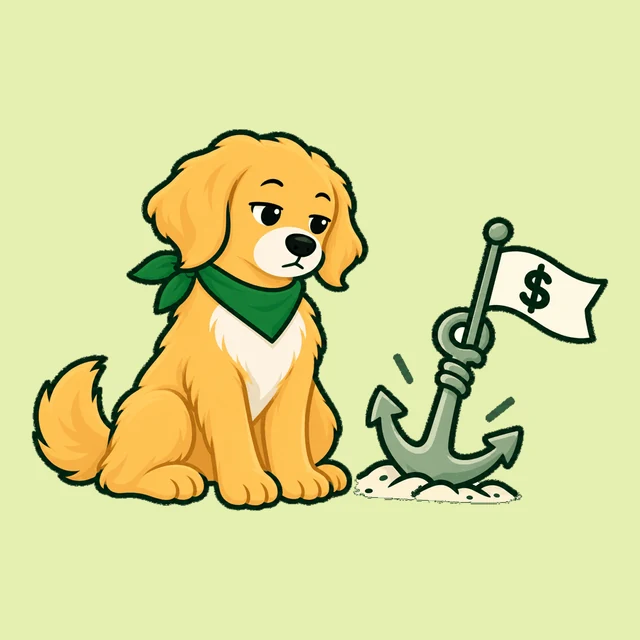
- AnchoringThe first number you see sets the bar for everything after it.
- Ostrich EffectWe avoid financial information that feels threatening.


- Present BiasWe consistently overvalue now versus the future.

- Sunk Cost FallacyWe throw good money after bad to justify past spending.

- Ego DepletionWillpower is a limited daily resource that runs out.

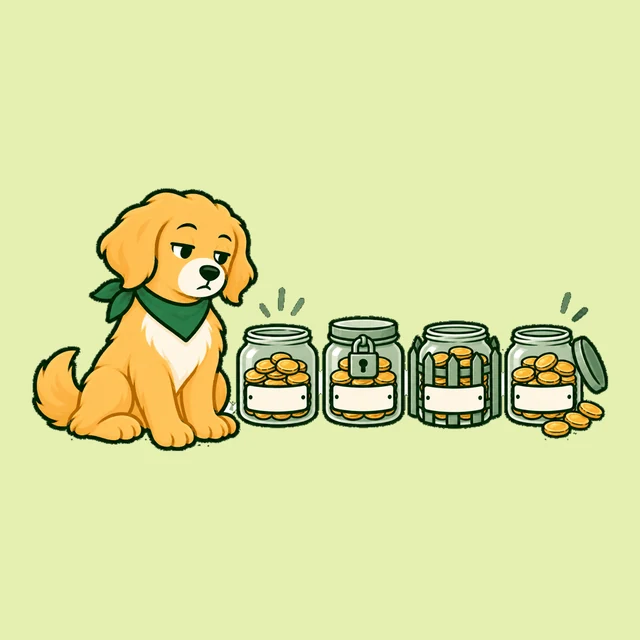
- Mental AccountingWe treat money differently depending on its source or label.
- Framing EffectThe same choice feels different depending on how it's presented.

- Status Quo BiasThe default option wins. Even when switching is clearly better.

- Social ProofWe copy what other people buy. We assume they know something we don't.
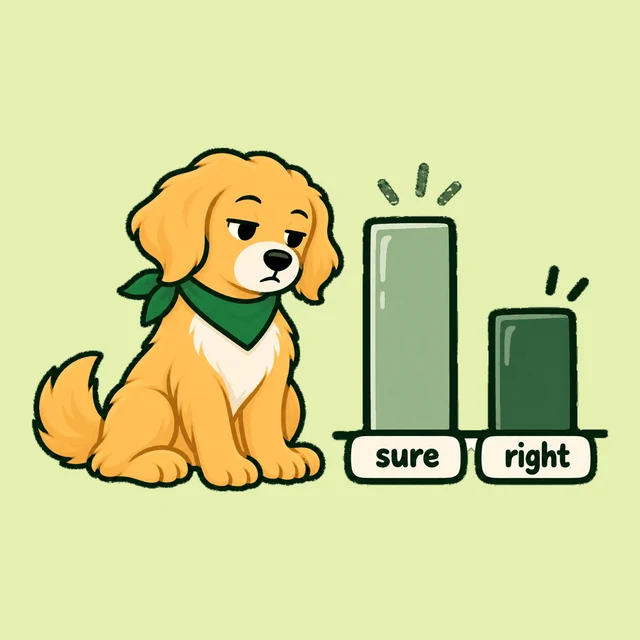
- Overconfidence BiasWe systematically overestimate our own financial ability.
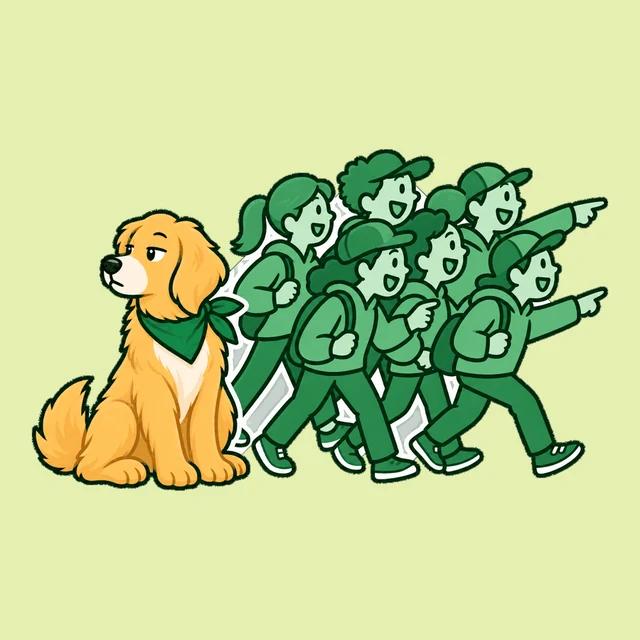
- Bandwagon EffectWe follow the crowd even when we privately know better.

- Planning FallacyWe underestimate time, cost and risk of future projects.

- Moral LicensingDoing something good gives unconscious permission to be bad.

- Denomination EffectWe spend small bills more freely than large ones.

- Availability ShortcutWe judge probability by what comes to mind most easily.


Learn which biases shape your spending and how to spot them.
- All 16 money biases explained by Nudge
- Catch them in the moment you spend
- 30 seconds a day. No bank login.
Try GoldMind free for 7 days.
Then A$14.99/month. Cancel anytime.
Which bias costs you most?
Take the quiz